
By Eve, Artstash Creative · Published 18 February 2026 · Last updated August 2026
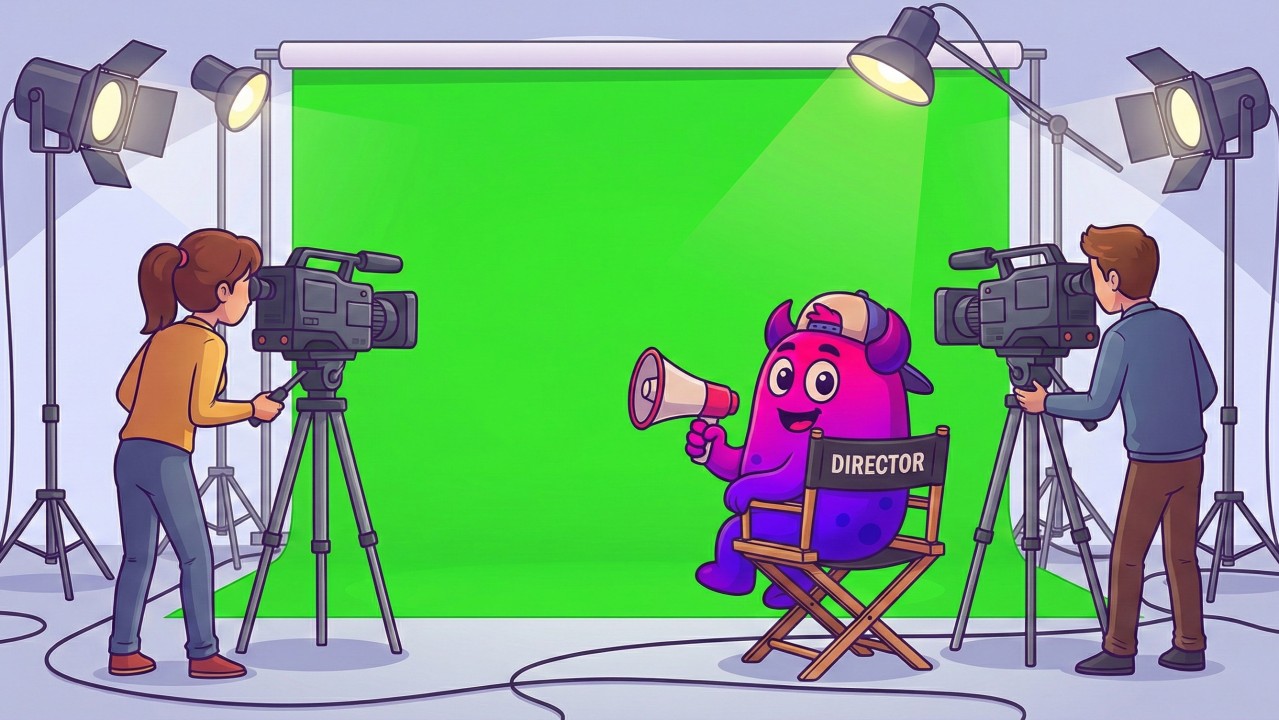
Quick answer: Coordinating a live shoot is mostly won before anyone reaches the set. Preparation decides how many variables are controlled on the day, and the coordinator’s real job is keeping the client informed and guided so the production team can concentrate on making the work. Decisions about the split between live action, motion graphics and full CGI belong in prep, not on set. Post-production is a continuation of the same discipline rather than a separate phase.
The concept of putting a live shoot together for your creative might seem daunting to those who aren’t familiar, especially if CGI is involved. We spoke with our live shoot coordinators, and asked them to share some steps they take to make our live action creative the best they can be. No matter what stage of the process, the key to success is good between all teams.
What Happens Before a Live Shoot?
The work that goes into a live shoot happens long before anyone steps onto the set. Preparation is the most important part of coordinating a live action shoot, and everyone must be aligned on the concept; As with any collaborative effort, communication is key:
We repeatedly review the idea (storyboards, script, etc) early with both the client and the production team to make sure it’s actually achievable. If something doesn’t line up, it’s better to catch it weeks ahead of time instead of while things are in motion.
In preparation for a shoot day, our coordinators also stressed the importance of keeping the client informed of not only what will be shot, but specifically how and why as well. This way, they know what to expect and get what they ask for. Any questions from the production team are also pre-empted at this preparatory stage, to eliminate guesswork and streamline the shoot on the day-of.
When it comes to rendering types, the division of content between live action, motion graphics and full CGI is also done here. Deciding on whether or not to use CGI at all, and if so how, is a matter of preference and budget without a clear right or wrong answer – some shoots benefit from having mixed-reality visuals and some don’t.
For shoots that involve live action and CGI, the pre-production process requires a lot of coordination between the two teams. This typically includes alignment meetings to ensure everyone is working toward the same execution plan. We do pre-visualization animatics and technical tests in advance, to make sure that shots will work as intended during production.

Storyboard concept for Octopath Traveller 0 trailer. Credit: Artstash Creative
What Does a Coordinator Do on Shoot Day?
On the actual day of recording, all the planning from the previous days pays off. With as many variables controlled as possible before shooting, the production team can perform at their maximum potential:
If the prep is solid, the production team can focus on capturing great footage instead of solving problems in real time. And if something does go wrong, having a backup plan already agreed on makes all the difference. This eases the minds of everyone involved.
In addition to comprehensive preparation, the importance of communication with the client was also stressed:
The client needs to be guided so they know exactly what they are looking at. Even though they are sitting in front of a monitor, a producer or expert should be right there to explain the stages of production. It often happens that a client expects to see a mirror image of their storyboard on set. However, a sketch cannot always be perfectly replicated due to the specific geometry of the space, the scale of the actors, and other environmental elements.
In essence, the main goal of the coordinator on a shoot day should be guiding the client through the process, so the production team’s goal can be capturing footage. And if the shoot has plans to include CGI, there is not much to be done on filming day – everything should be planned in advance.
On set, lighting might be approached differently to ensure that the CGI elements added later feel naturally integrated into the scene. Camera framing and actor eyelines are also critical to get right, since elements will be added later in post-production, and we need to accommodate for that.
What Happens After the Shoot?
Post-production is a continuation of the same process – keeping all parties aligned throughout the development of a final product everyone is satisfied with. The files are shipped to the editing teams to refine the footage and fold in any CGI work that was done. Once again, communication plays a key role here:
We might film a three-second take only to use a single second in the final edit; we have to capture the full emotional build-up so the actor can truly inhabit the role. Without proper guidance, these technical necessities can often cause the client unnecessary concern.
Frequently asked questions
What is the most important part of coordinating a live shoot?
Preparation. The work that determines a shoot’s success happens before anyone steps on set, because every variable resolved in advance is one fewer decision competing for attention on the day.
What does a shoot coordinator actually do on the day?
Guides the client through the process. With planning already done, the coordinator absorbs client communication and questions so the production team can focus on capturing the work rather than managing the room.
When do you decide between live action, motion graphics and CGI?
In preparation, alongside the rest of the shoot planning. Deciding the rendering split late forces reshoots or compromises in post, because each route implies different coverage on the day.
How much client communication is too much?
There is rarely too much before and during. Coordinators consistently stress keeping the client informed of what will happen and what is happening, because surprises on a shoot day are far more expensive than an extra update.
Share this article
Related Articles

Creative Testing for Mobile Games in 2026: A Practical Playbook